Circuit Breakers

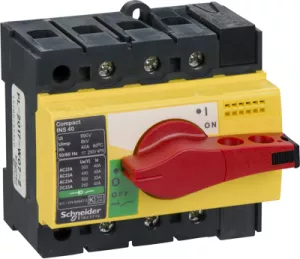
Order No.:
01P3754
Manufacturer SKU:
28916
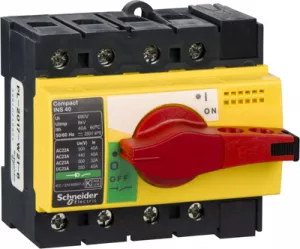
Order No.:
01P3755
Manufacturer SKU:
28917
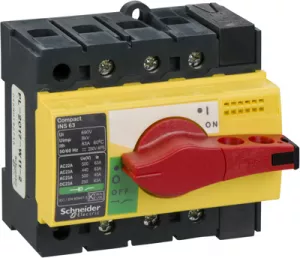
Order No.:
01P3756
Manufacturer SKU:
28918
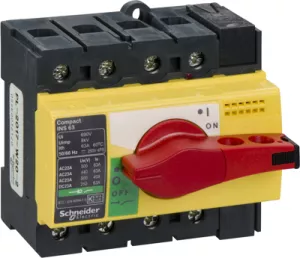
Order No.:
01P3757
Manufacturer SKU:
28919
Order No.:
01P3758
Manufacturer SKU:
28920
Order No.:
01P3759
Manufacturer SKU:
28921
Order No.:
01P3760
Manufacturer SKU:
28924
Order No.:
01P3761
Manufacturer SKU:
28925
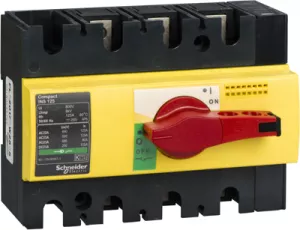
Order No.:
01P3762
Manufacturer SKU:
28926
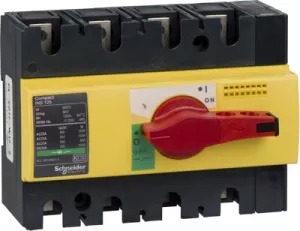
Order No.:
01P3763
Manufacturer SKU:
28927
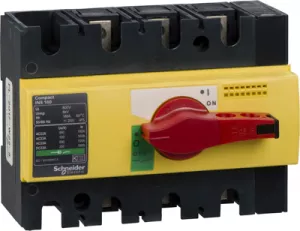
Order No.:
01P3764
Manufacturer SKU:
28928
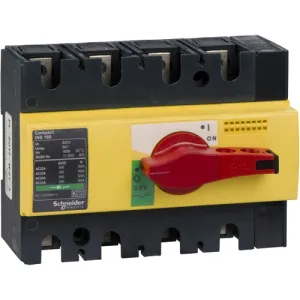
Order No.:
01P3765
Manufacturer SKU:
28929
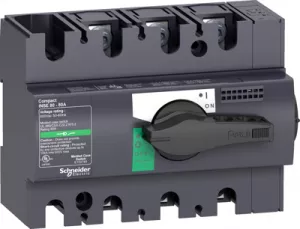
Order No.:
01P3782
Manufacturer SKU:
28994
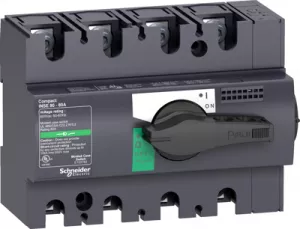
Order No.:
01P3783
Manufacturer SKU:
28995
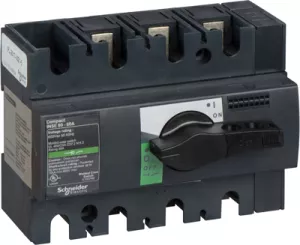
Order No.:
01P3784
Manufacturer SKU:
28996
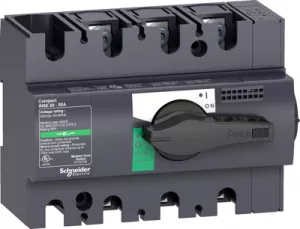
Order No.:
01P3786
Manufacturer SKU:
28998
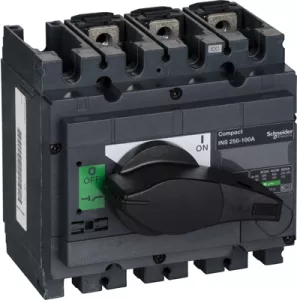
Order No.:
01P3890
Manufacturer SKU:
31100

Order No.:
01P3891
Manufacturer SKU:
31101
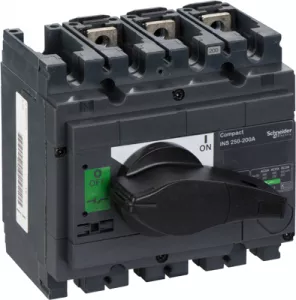
Order No.:
01P3892
Manufacturer SKU:
31102
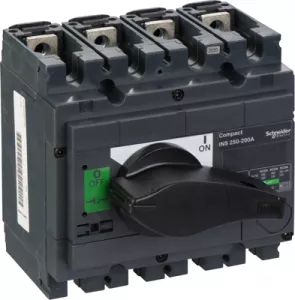
Order No.:
01P3893
Manufacturer SKU:
31103
Safety guaranteed: Functions and advantages of switch-disconnectors
Circuit breakers are used to protect electrical circuits by automatically switching off in the event of an overload or short circuit. They can be switched back on, eliminating the need for one-way fuses. Switch-disconnectors, on the other hand, specialize in safely isolating electrical circuits from the power supply.
Unlike circuit breakers, switch-disconnectors do not perform a protective function, but merely ensure safe isolation as well as prevention of accidental switch-on. Both electromechanical components are indispensable in electrical installations and in the energy sector, with circuit-breakers primarily ensuring the protection of installations, while switch-disconnectors are used for maintenance and repairs.