Circuit Breakers

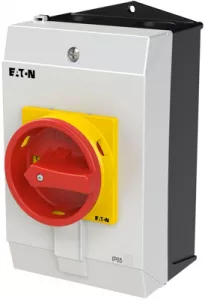
Order No.:
82P0219
Manufacturer SKU:
207297
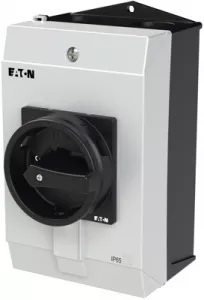
Order No.:
82P0220
Manufacturer SKU:
207295
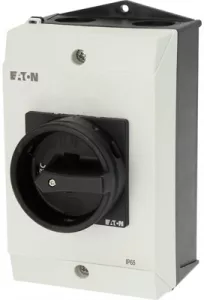
Order No.:
82P0221
Manufacturer SKU:
182416
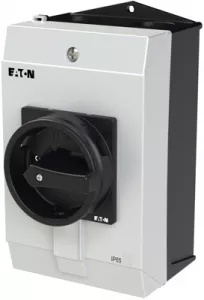
Order No.:
82P0222
Manufacturer SKU:
207294
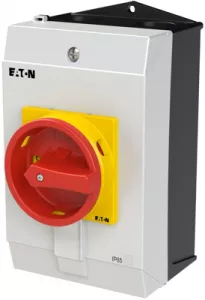
Order No.:
82P0224
Manufacturer SKU:
207293
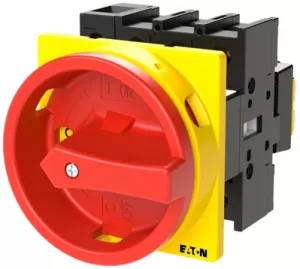
Order No.:
82P0226
Manufacturer SKU:
081587
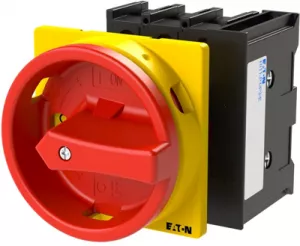
Order No.:
82P0227
Manufacturer SKU:
091080
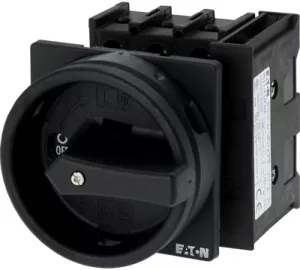
Order No.:
82P0228
Manufacturer SKU:
070194
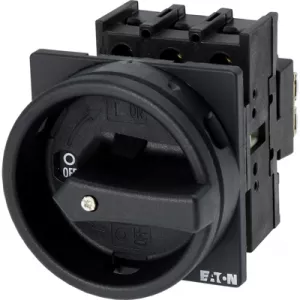
Order No.:
82P0229
Manufacturer SKU:
048365
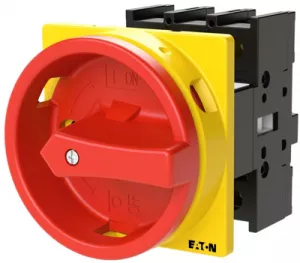
Order No.:
82P0230
Manufacturer SKU:
110197
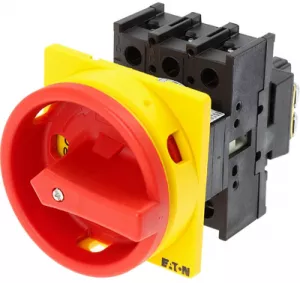
Order No.:
82P0231
Manufacturer SKU:
041097
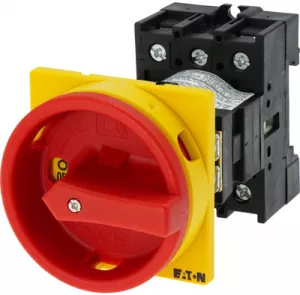
Order No.:
82P0232
Manufacturer SKU:
055335
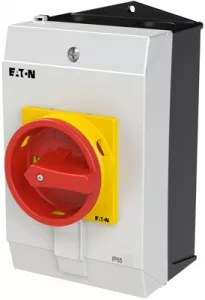
Order No.:
82P0233
Manufacturer SKU:
207319
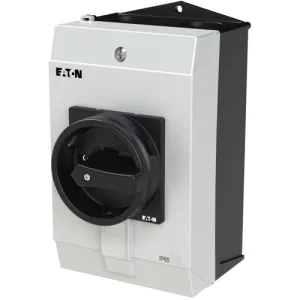
Order No.:
82P0236
Manufacturer SKU:
207315
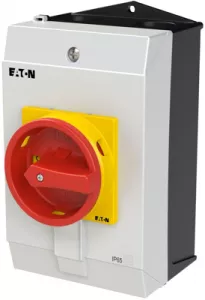
Order No.:
82P0237
Manufacturer SKU:
207314
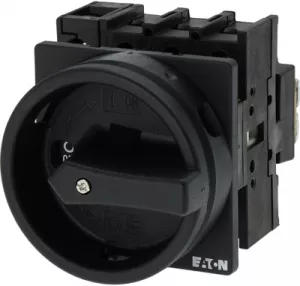
Order No.:
82P0238
Manufacturer SKU:
093452
Order No.:
82P0239
Manufacturer SKU:
091079
Order No.:
82P0240
Manufacturer SKU:
072567
Order No.:
82P0242
Manufacturer SKU:
081438
Order No.:
82P0243
Manufacturer SKU:
095676
Safety guaranteed: Functions and advantages of switch-disconnectors
Circuit breakers are used to protect electrical circuits by automatically switching off in the event of an overload or short circuit. They can be switched back on, eliminating the need for one-way fuses. Switch-disconnectors, on the other hand, specialize in safely isolating electrical circuits from the power supply.
Unlike circuit breakers, switch-disconnectors do not perform a protective function, but merely ensure safe isolation as well as prevention of accidental switch-on. Both electromechanical components are indispensable in electrical installations and in the energy sector, with circuit-breakers primarily ensuring the protection of installations, while switch-disconnectors are used for maintenance and repairs.