Shielding

Shielding: When Signals Must Remain Clean
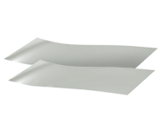
Shielding plays a crucial role wherever electronic systems need to be protected from interference. In electromechanics in particular, electromagnetic radiation can distort signals, disrupt transmissions, or impair the function of sensitive components. To prevent this from happening, different solutions are employed depending on the application. While shielding tapes are often used for cable routes, transitions, or connections, shielding foils are particularly suitable when surfaces need to be flexibly shielded or housing areas optimized for EMC. Key factors here include material, conductivity, workability, and integration into the overall design.
Which material is suitable for EMC shielding?
Conductive metals such as copper or aluminum are frequently used for EMC shielding. The best choice of material depends on the application, the desired flexibility, and the mechanical requirements.
What are shielding tapes used for?
Shielding tapes are used where conductive connections need to be established or sources of interference need to be specifically limited. They are suitable for transitions, contact surfaces, and certain cable routing applications, among others.
When are shielding foils a good choice?
Shielding foils are particularly useful when larger areas need to be shielded flexibly or when housing areas need to be retrofitted. They can be integrated in a space-saving manner in many applications. At Bürklin, we offer a wide selection of shielding solutions for various EMC requirements from manufacturers such as MTC or Phoenix Contact.
Did you know? If you are planning projects with specific material requirements, our quotation service can help you efficiently coordinate appropriate quantities and availability.