

Intelligent energy management: IoT solutions for efficiency and sustainability
Whether in smart homes, industry, or urban infrastructure, the Internet of Things (IoT) has long been part of our everyday lives. It is currently opening up new avenues, particularly in the field of energy management. But what exactly does the term IoT mean? And how can smart solutions be used to achieve concrete energy savings?
Table of contents
- What does IoT mean—and how is it changing the energy industry?
- 1. Smart energy meters & monitoring systems
- Components & technologies for IoT energy management
- 2. Predictive maintenance for greater efficiency
- 3. Automated building and system control
- Looking to the future: Energy efficiency reimagined
- IoT as the key to sustainable energy management
What does IoT mean—and how is it changing the energy industry?
The Internet of Things (IoT) refers to the networking of physical devices with the Internet in order to collect data, exchange some of it between devices, and establish automated response patterns. Sensors, actuators, and control units form the backbone of the IoT infrastructure.
Typical features include: real-time communication, automated processes, and centralized access to distributed systems.
The Internet of Things is used in a variety of applications. For example:
- Smart Home: Heating and lighting control, smart sockets, energy monitoring
→ View blog article - Industry 4.0: Condition monitoring of machines, predictive maintenance, energy optimization
- Smart cities & smart building: Street lighting, traffic management, building technology
→ View blog article - Agriculture: Irrigation control, climate data analysis, animal monitoring
- Energy sector: Grid monitoring, smart meters, load management
The IoT is becoming increasingly important, particularly in energy supply. It creates the basis for intelligent energy management – both in private homes and in industry.
1. Smart energy meters & monitoring systems
So-called smart meters and energy monitoring systems measure consumption values in real time. The data is evaluated and visualized via a central platform. This allows users to immediately identify energy guzzlers and peak loads – and take measures to reduce them.
View our energy meters portfolio!
The goal of IoT-based energy management is to make energy consumption visible, controllable, and optimizable. Thanks to networked sensors and data-based controls, energy flows can be analyzed precisely and influenced in a targeted manner – whether in buildings, plants, or entire supply networks. The result: Electricity consumption and continuity are optimized in a targeted manner.
Did you know? Since 2020, companies with a consumption of more than 6,000 kilowatt hours have also been required to switch to smart meters.
Application examples:
- Operational monitoring in industry
- Energy controlling in office buildings
- Transparency in the energy consumption of machine parks, etc.

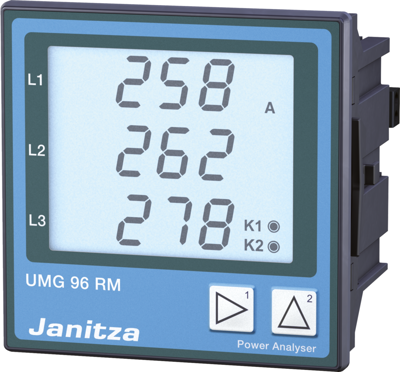

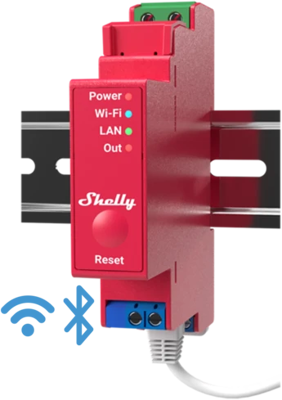

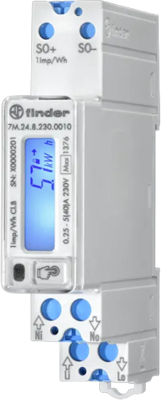
Components & technologies for IoT energy management
Effective IoT energy management requires precise sensor technology, robust communication channels, and powerful computing units. Bürklin offers a wide range of components that have been specially developed for these requirements:
- Microcontrollers & IoT modules: View products!
- Sensors: View products!
- Communication solutions
- Energy-saving actuators
- Embedded systems
2. Predictive maintenance for greater efficiency
Save time and money with predictive maintenance: IoT sensors continuously monitor the condition of technical systems. The values for current, voltage, power, pressure, and force not only enable machines to be operated optimally, but also allow impending failures to be detected early on based on the broad data set. This means that maintenance work can be planned in good time, eliminating the need for energy- and cost-intensive emergency measures.
3. Automated building and system control
The basis of smart buildings is the Internet of Things. IoT-based building automation ensures that heating, ventilation, and lighting are controlled according to demand – depending on usage time, weather, or room occupancy.
Production facilities also adapt dynamically to demand. This requires a suitable IoT platform that enables connectivity, management, data processing, and communication of IoT devices. This allows the implementation of appropriate products and optimal coordination of device management.
Looking to the future: Energy efficiency reimagined
In view of energy crises, climate targets, and rising operating costs, energy transparency is becoming a success factor for both companies and municipalities. IoT solutions provide the necessary tools to systematically implement energy savings, improve CO₂ balances, and make processes more resilient.
Innovative developments such as machine learning in energy management, decentralized networks with peer-to-peer energy trading, and self-learning IoT systems are already showing us where the journey is headed.
IoT as the key to sustainable energy management
Whether in industrial manufacturing, building technology, or energy supply, future efficiency and sustainability goals can hardly be achieved without the Internet of Things. Thanks to networked systems, energy is not only measured, but also used actively and intelligently. IoT-based energy management systems help companies and private users to optimize consumption, conserve resources, and reduce costs in the long term.
Make the switch now and discover high-quality components for your IoT energy management in the Bürklin online shop. If you have any questions, please feel free to contact our experts!
This might also interest you
-
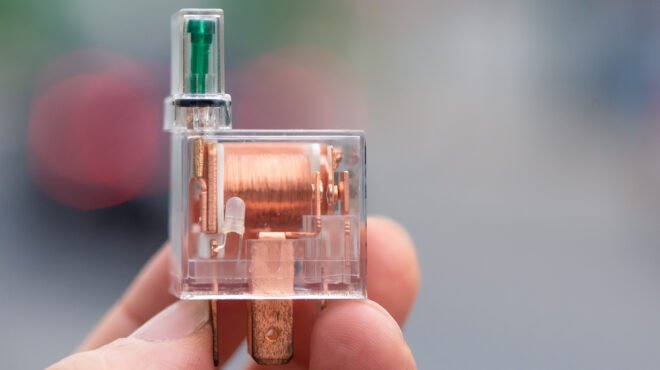
Understanding Electronics
Relays explained: Basics, function, and application
Relays are one of the fundamental components of electrical engineering and automation. They switch, disconnect, and control electrical circuits—often inconspicuous, but technically indispensable. But what exactly is a re...
-

Manufacturing Industry
LOCTITE Thread Sealants: Hydrogen-Compatible Solutions for Preventing Hydrogen Gas Leaks
Hydrogen systems are demanding: Due to the extremely small molecular size of hydrogen, even the tiniest gaps in threaded connections can cause leaks, compromising safety, availability, and efficiency. Learn how hydrogen-...
-
Electrical Manufacturing
Soldering Technology in Manufacturing: From Manual Soldering Stations to Reflow Systems
Hand soldering, selective soldering, wave soldering, or reflow soldering: In practice, several soldering processes are often used in parallel today – within the same company, sometimes even on the same line. This is beca...